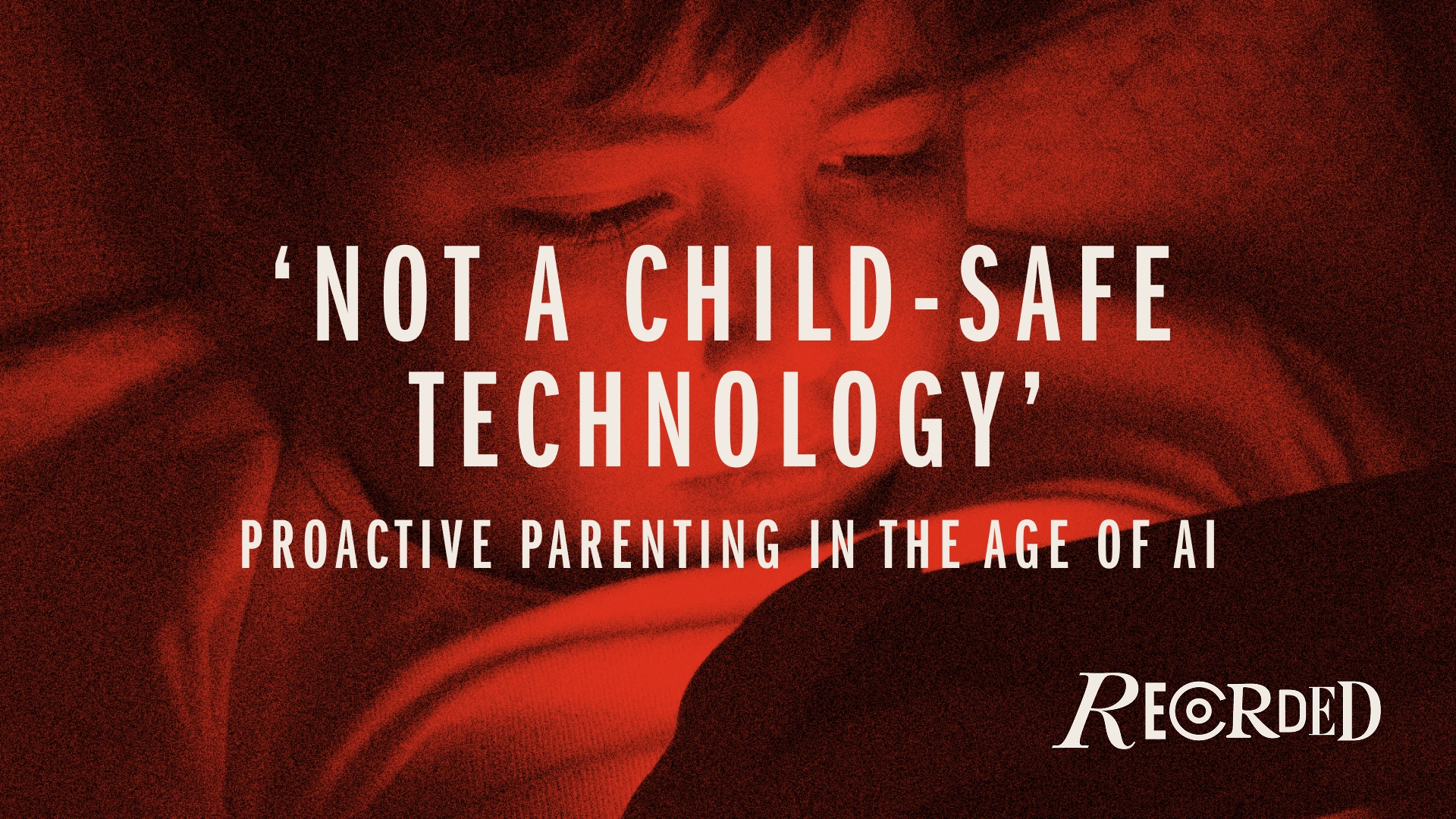
| During the walks home after morning dropoff, parent conversations in my neighborhood have revolved around one question: What’s our school going to do about AI? This is elementary school. In high school and college those conversations have already accelerated. I talked to one 10th grade English teacher who warned me about the tug of war with his school’s technology directors. The English faculty just want to see their students read and write as usual. The technology directors are pushing AI tools that convince students they don’t need to bother any longer with reading and writing. At the college level one professor told me AI is required to complete projects. But the students don’t think they should be held accountable with bad grades. After all, AI did the work. Meanwhile many parents worry that unless the school adopts AI quickly, their children will fall behind, not only in school, but eventually in the workplace. While AI feels like an opportunity for greater productivity, many of us experience the anxiety about these changes in education and the workplace as a threat. The parents among us don’t know how to prepare our children for a future we can’t map onto our experience. So I did what I usually do when I run into a question I can’t answer. I assigned the story to TGC senior writer Sarah Zylstra. Among the many reasons I love working with Sarah is her diligence in following the facts, even when they don’t match my suppositions. She’s not afraid to tell me when I’m wrong. And I’ve been wrong about plenty already with AI. Maybe you have, too. You’ll have to listen to her new episode of Recorded to find out. I’ll start first with what she confirmed that I got right about AI. It’s not safe for children to operate alone. Just listen to Jon Bentz, senior manager and technical marketing engineer at tech giant Nvidia. Teach your children to use AI the way you’d guide them around a power saw. At first they don’t know the danger. Don’t let them touch it. Let them watch you use it for a while. Then, use it together. By age 13, they could be using it on their own, with you next to them, ready to stop them in any emergency. Finally, you won’t need to hover. But you’ll still need to keep an eye on them, just in case. I wasn’t wrong about education, either. If you want to work at Nvidia, you don’t master the skill of AI prompting. Just about anyone can learn to program. “What we really value,” Bentz told Sarah, “is the ability to be agile, to be a lifelong learner, because technology is changing all the time.” We’ve invested untold billions into screen technology, and education outcomes have gotten worse. AI exposes the fatal flaws in pragmatic, skills-based education. In the AI age, we need fluid thinkers who can adapt to unanticipated situations, armed with the analytical acuity that comes from deep and broad knowledge built on a foundation of timeless values. That means to move ahead with education, we need to get back to the basics of liberal arts. If you want your children or students to get ahead, heavy AI usage is probably a sign they’re falling behind. But I also got something wrong, at least so far with AI. It only seems logical to me that certain jobs face major cutbacks, maybe even elimination with the progress of AI models. Not true, Sarah concludes in this podcast. AI is helping cover for the fact that we haven’t trained enough replacements for the 75 percent of accountants nearing retirement age. Same thing for radiologists, predicted a decade ago to go the way of the Dodo. No, with an aging population and shortage of radiologists, AI is helping understaffed hospitals keep up with demand. As with so many other examples in our K-shaped society, AI will help the diligent and educated get even better at their jobs. Smart radiologists and accountants will do four-times the work compared to life without AI. But AI will stunt the development of those who rely on it too early and too much. Parents and schools who worry too much about AI skill preparedness will be like the experts who thought personal laptops and quiz games would help youth get ahead, only to watch them fall behind. (Check out my friend Molly Worthen’s insightful recent New York Times essay on the problems with ed tech.) When I finished editing this podcast, I thought about my neighbors and their varied beliefs. All of us love our children. We all want what’s best for them. So do our school’s teachers and administrators. But if they’re not Christians, what value system do they use to consider AI? What helps them decide between yes and no? As in all her other work, Sarah brings biblical theology to bear on today’s trends. She exposes the reasons we parents should mitigate against the threats introduced by AI. She presents the facts that dispel certain other fears. And she closes with a godward vision for trusting God no matter what the future holds for us, our society, and our children. This perspective explains why I learn so much from her reporting. And it’s why I don’t mind when she tells me I’m wrong. |